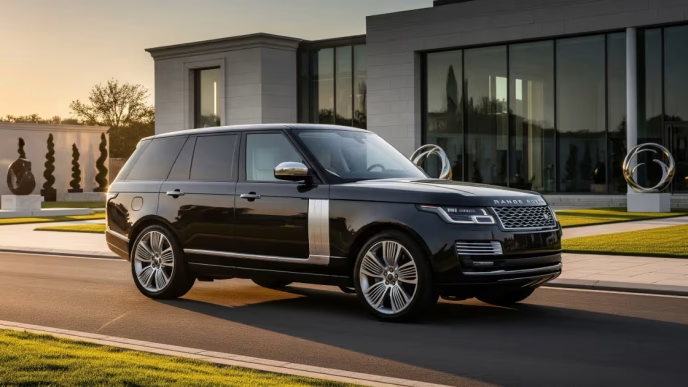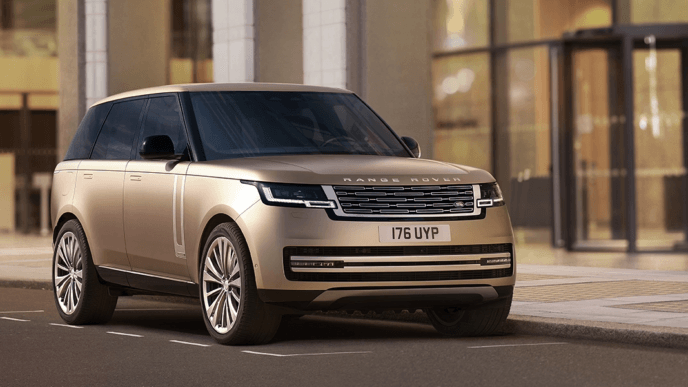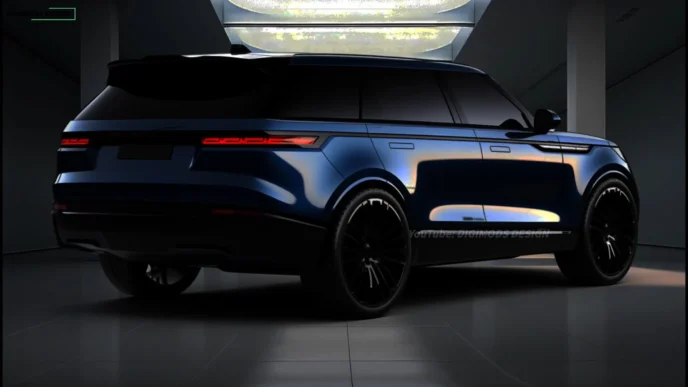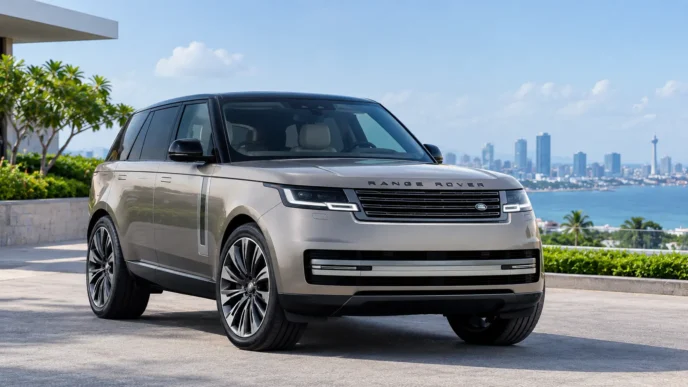





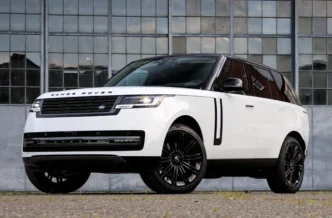
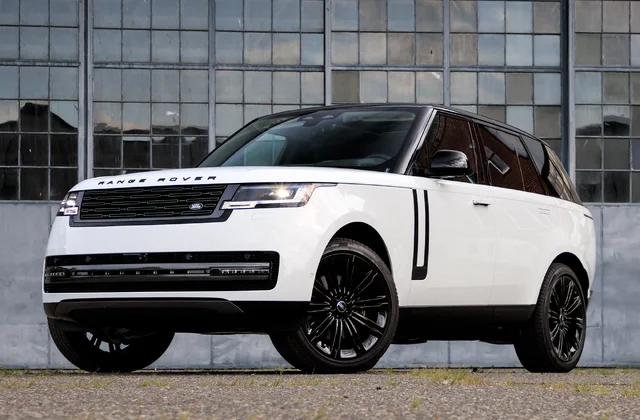
In my last post, I called the Range Rover PHEV the smartest luxury SUV for Sri Lanka right now. Today, I want to back that statement up with facts, personal opinion, and a healthy dose of reality. If you’re wondering whether the Range Rover PHEV Sri Lanka 2026 is genuinely worth its premium price, you’re in the right place.
Whether you’re considering the Range Rover P460e or the more powerful P550e, this guide is written for buyers who want honest advice—not a sales pitch. I’ll talk about pricing, taxes, performance, ownership costs, and how these plug-in hybrid models fit into everyday life in Sri Lanka. I’ll also explain where Access Motors fits into the picture and why the local market makes the PHEV a far more interesting option than many people realise.
As Niranjan Abeykoon, I don’t believe every expensive vehicle is automatically worth buying. A luxury SUV should earn its place in your garage. By the end of this guide, I’ll give you a straight yes or no. No fence-sitting.
What Exactly Is the Range Rover PHEV? (A Simple Explanation for Sri Lankan Buyers)
The Range Rover PHEV (Plug-In Hybrid Electric Vehicle) combines a 3.0-litre six-cylinder petrol engine with a 160kW electric motor. In Sri Lanka, it is available as the P460e and P550e through Access Motors, offering up to 90km of electric-only driving under ideal conditions.
If you’ve never owned a plug-in hybrid before, don’t worry. The idea is actually very simple.
A PHEV gives you two power sources working together. There’s a petrol engine for longer journeys and an electric motor for quieter, cheaper daily driving. You can charge the battery at home, drive on electricity for most city trips, and let the petrol engine take over when the battery runs low.
Personally, I think this is one of the biggest reasons the PHEV makes sense in Sri Lanka today. Our charging network is improving, but it still isn’t widespread enough to make a full electric luxury SUV practical for every owner. With the PHEV, you get the best of both worlds.
Unlike a traditional hybrid, you don’t have to rely only on regenerative braking to charge the battery. Plug it in overnight, wake up with a full battery, and many Colombo commutes can be completed without using a single drop of petrol.
For buyers who spend weekdays travelling between Galle Road, Rajagiriya, and the Colombo city centre, that’s a genuine advantage rather than just a marketing headline.
P460e vs P550e — Which One for Sri Lanka?
This is probably the question I receive most often through RangeRover.lk.
The P460e is the sensible choice. It delivers more than enough performance for Sri Lankan roads while keeping ownership costs slightly lower. Unless you’re regularly chasing maximum acceleration, I believe most buyers will be perfectly happy with it.
The P550e, meanwhile, is aimed at enthusiasts who want every bit of performance the plug-in hybrid system can offer. It feels noticeably quicker when overtaking on the Colombo–Kandy Highway, yet it still retains the same electric driving benefits.
From conversations with enthusiasts and observations across the luxury SUV market, the Autobiography PHEV continues to attract strong interest among buyers looking for the highest level of comfort while benefiting from Sri Lanka’s comparatively favourable hybrid import taxation. Business reporting from the Daily FT has also highlighted the continued preference for electrified premium vehicles as taxation increasingly influences purchasing decisions.
If you ask me which model I would recommend to a friend, I’d say the P460e. It delivers nearly everything buyers want without paying extra simply for bragging rights.
Range Rover PHEV Price in Sri Lanka 2026 — The Real Numbers
Range Rover PHEV price in Sri Lanka varies depending on specification, taxes, and exchange rates. In 2026, buyers should realistically expect official prices to start around LKR 65 million for the P460e and rise beyond LKR 130 million for highly specified P550e models.
Let’s be honest.
This is not an affordable SUV.
The biggest reason isn’t the vehicle itself—it’s Sri Lanka’s tax system.
Internationally, a new Range Rover PHEV starts at a much lower base price before taxes. By the time the vehicle reaches Sri Lanka, several layers of duties and taxes significantly increase the final cost.
Here’s where your money goes.
Customs duty is charged when the vehicle enters Sri Lanka and forms the first major cost increase.
Excise duty is based largely on engine capacity and vehicle type. Plug-in hybrids generally receive a more favourable treatment than large-capacity petrol V8 models, making the PHEV comparatively more attractive.
Value Added Tax (VAT) is then applied to the taxable value, increasing the final purchase price further.
Ports and Airports Levy (PAL) contributes another portion of the landed cost before the vehicle reaches the showroom.
Depending on prevailing regulations, additional import-related charges and administrative fees may also apply, which is why final prices fluctuate with government policy and exchange rates.
When you compare the final Sri Lankan price with international pricing, the difference is striking.
Yes, machan, you’re effectively paying close to double what many buyers in markets like the UK pay once Sri Lankan taxes and import costs are added. That’s simply the reality of owning a luxury imported SUV here.
Even so, I still believe the PHEV represents better long-term value than an equivalent V8. Our import structure rewards electrified vehicles more than traditional high-capacity petrol engines, and that difference becomes very important at this price level.
Is There a Cheaper Way to Own One?
Some buyers naturally look at grey imports to save money.
On paper, it can seem like a smart move. The purchase price may be lower, and you might even find a specification that isn’t officially available through Access Motors.
But personally, I would think twice before taking that route.
The modern Range Rover PHEV is an extremely sophisticated vehicle. Its hybrid battery system, software, air suspension, and electronic controls require specialist knowledge and dedicated diagnostic equipment.
Buying through Access Motors means receiving an official manufacturer warranty, trained technicians, software updates, and easier access to genuine parts. That support can make a huge difference if something unexpected happens several years into ownership.
A grey import can still be worthwhile if you know the vehicle’s complete history and have access to trusted independent specialists. However, for most Sri Lankan buyers investing well over LKR 60 million, I believe the peace of mind offered by the official dealer is worth paying for.
Personally, I don’t see the PHEV as a vehicle where cutting corners on after-sales support is a wise decision. When you’re buying one of the most advanced luxury SUVs on the road, dependable servicing is part of the ownership experience—not an optional extra.
Real-World Performance on Sri Lankan Roads — My Honest Experience
How far can the Range Rover PHEV drive on electric power in Sri Lanka?
The Range Rover PHEV can travel up to 90km on electric power under ideal conditions. In real Sri Lankan driving, most owners can expect around 65–85km, depending on traffic, air-conditioning use, driving style, and road conditions.
This is the section I wanted to write the most because specifications only tell half the story. The real question is how the Range Rover PHEV feels when you drive it every day in Sri Lanka.
I’ve spent years following the local Range Rover market, talking with owners, and testing how these vehicles fit our roads rather than the perfect highways shown in overseas reviews. In my opinion, that’s what really matters.
Scenario 1 — Colombo Daily Commute
If your typical day involves Galle Road, High Level Road, the Rajagiriya Interchange, and a trip back home, the PHEV makes a lot of sense.
Most Colombo drivers cover less than 60km in a day. That means you can complete nearly every commute using mostly electric power if you charge overnight. The SUV moves away almost silently, and the instant electric torque makes stop-and-go traffic much less tiring.
Personally, I think this is where the PHEV delivers its biggest advantage. Instead of idling in traffic while burning fuel, you’re making the most of the electric motor.
Scenario 2 — Colombo to Kandy Highway Run
Long-distance driving tells a different story.
As the battery level drops, the petrol engine starts automatically. The transition is smooth enough that many passengers won’t even notice it.
Cruising along the Colombo–Kandy Highway, the engine works quietly with the electric motor to maintain strong performance. Fuel economy naturally drops compared with city driving, but it remains noticeably better than a comparable V8.
From my perspective, this is exactly how a plug-in hybrid should behave. It gives you electric efficiency where it matters and dependable petrol power when you need to cover long distances.
Scenario 3 — Colombo to Galle Coastal Drive
Sri Lankan roads can change every few kilometres.
One moment you’re cruising on smooth tarmac. The next you’re dealing with potholes, uneven surfaces, speed humps, and narrow streets.
This is where the electronic air suspension shines.
The suspension absorbs broken road surfaces with impressive composure while keeping passengers comfortable. Even on older sections of the coastal route towards Galle, the cabin remains remarkably refined.
Would I still slow down for rough roads? Of course. Physics still applies. But compared with many luxury SUVs, the Range Rover continues to feel composed and confident.
Scenario 4 Charging Reality in Sri Lanka
Where can I charge a Range Rover PHEV in Sri Lanka?
- Home wall charger (best option)
- Selected CEB charging stations
- Private charging providers in Colombo
- Hotel and commercial charging locations where available
This is where I need to be completely honest.
Sri Lanka’s charging infrastructure is improving, but it still has a long way to go.
If you expect charging stations on every corner, you’ll be disappointed.
For most owners, home charging is the practical solution. Installing a dedicated wall charger adds to your initial ownership cost, but it also becomes the easiest way to enjoy the full benefit of the PHEV.
Public charging options are gradually expanding through the CEB and private operators, particularly around Colombo. However, availability outside major cities remains limited.
My advice is simple: buy the PHEV only if you have reliable home charging. That single decision changes the ownership experience completely.
Range Rover PHEV vs Full Electric vs V8 Which Makes Sense for Sri Lanka Right Now?
Question: What is the difference between the Range Rover P460e and P550e?
| Model | Best For |
|---|---|
| P460e | Balanced performance, lower purchase price, everyday luxury |
| P550e | Higher performance, more power, premium specification buyers |
When people ask me whether they should buy the PHEV, wait for the electric version, or choose the V8, my answer depends entirely on how they plan to use the vehicle.
PHEV: Available today. Practical. Tax-friendly. Home charging is recommended, but not essential for every journey because the petrol engine is always there.
Full Electric: Exciting, but I still think Sri Lanka needs more charging infrastructure before it becomes the obvious choice for everyone.
V8: Incredible performance and an unforgettable soundtrack. Unfortunately, higher fuel costs and Sri Lanka’s import taxation make it the most expensive option to own over time.
As I explained in my previous article about the range-rover-electric-delayed-sri-lanka, waiting for the fully electric model may not be the smartest move for every buyer. Until charging infrastructure improves further, the PHEV strikes the best balance between modern technology and real-world practicality.
Honest Pros and Cons of the Range Rover PHEV for Sri Lankan Buyers
Is the Range Rover PHEV worth buying in Sri Lanka in 2026?
Yes—if you can charge at home and your budget comfortably supports it. The Range Rover PHEV combines electric efficiency with petrol convenience, making it one of the most practical luxury SUVs available in Sri Lanka in 2026.
The Good
One reason I recommend the PHEV is that Sri Lanka’s import tax structure generally favours plug-in hybrids over large petrol V8 models, making them comparatively better value.
Another advantage is the electric driving range, which comfortably covers most Colombo commutes.
The petrol engine eliminates range anxiety, allowing you to travel anywhere in the country without worrying about charging stations.
Finally, I believe the PHEV will continue to enjoy strong resale demand because more buyers are beginning to appreciate hybrid technology.
The Not-So-Good
The biggest downside is obvious.
The purchase price remains extremely high in Sri Lankan Rupees.
You’ll also need to budget for a proper home charging installation, which increases the initial ownership cost.
Public charging infrastructure remains limited, especially outside Colombo.
Finally, once the factory warranty expires, the hybrid system and advanced electronics can make servicing more expensive than simpler SUVs. That’s another reason I always encourage buyers to consider long-term ownership costs instead of focusing only on the purchase price.
My Final Verdict — Yes or No?
As Niranjan Abeykoon, my honest answer is yes.
But it isn’t a yes for everyone.
If you live in Colombo, drive mainly around the city, have access to home charging, and your budget comfortably exceeds LKR 150 million for a well-equipped example, I genuinely believe the Range Rover PHEV is one of the smartest luxury SUVs you can buy in Sri Lanka today.
On the other hand, if you’re stretching your finances just to own one, spend most of your time driving in remote areas without charging access, or simply want the lowest possible running costs, I’d suggest considering alternatives before making such a significant investment. Buyers with frequent upcountry travel and no charging option may even find a Toyota Land Cruiser Prado better suited to their lifestyle.
Luxury should make life easier—not create financial pressure.
For me, that’s the real test of whether any premium vehicle is worth buying.
The Range Rover PHEV succeeds because it combines prestige with genuine everyday practicality, something very few luxury SUVs currently achieve in Sri Lanka.
Final Thoughts
If you’ve read this far, you already know my answer. Yes, I believe the Range Rover PHEV is worth its price in Sri Lanka in 2026—but only for the right buyer. It’s not the cheapest luxury SUV, and it certainly isn’t perfect. Yet it offers a balance of comfort, technology, efficiency, and flexibility that fits our local driving conditions surprisingly well.
If you’re a Colombo-based owner who can charge at home, you’ll probably enjoy everything this plug-in hybrid has to offer. If that’s not your situation, there’s nothing wrong with waiting until Sri Lanka’s charging infrastructure improves or considering another model that better matches your lifestyle.
I’d genuinely love to hear what you think. Are you already driving a Range Rover PHEV, or are you still deciding between the P460e, P550e, or a traditional V8? Share your experience in the comments—I read every one.
You can also follow RangeRover.lk on Instagram and YouTube for more independent reviews, buyer guides, and Sri Lanka-focused Range Rover updates.
And before you go, don’t miss my previous article on why the delayed arrival of the all-electric Range Rover might actually be good news for Sri Lankan buyers (internal link: range-rover-electric-delayed-sri-lanka).
Next up, I’ll be sharing my thoughts on whether the Range Rover Sport SV Black is the most exciting performance SUV ever to reach Sri Lankan roads—or simply the most expensive. Stay tuned.
Frequently Asked Questions (FAQ)
Is the Range Rover PHEV cheaper to run than the V8 in Sri Lanka?
Yes. The Range Rover PHEV is generally cheaper to run because many daily trips can be completed using electricity instead of petrol. Buyers also benefit from a more favourable import tax structure compared with large-capacity V8 models, although actual savings depend on charging habits and annual mileage.
Does Access Motors Sri Lanka offer the Range Rover PHEV in 2026?
Yes. Access Motors is the official Land Rover distributor in Sri Lanka and offers the Range Rover PHEV, subject to availability, model allocation, and local import regulations. Availability can vary depending on demand and shipping schedules.
Can I charge a Range Rover PHEV at home in Sri Lanka?
Yes. Most owners install a dedicated home wall charger for faster and more convenient charging. While the vehicle can also use compatible public charging points, home charging provides the easiest way to maximize the benefits of the plug-in hybrid system.
Is the Range Rover PHEV suitable for Sri Lankan road conditions?
Yes. The combination of advanced air suspension, all-wheel drive, and generous ground clearance makes the Range Rover PHEV well suited to Colombo traffic, expressways, hill country roads, and uneven rural surfaces. Driver care is still important on heavily damaged roads.
Does the Range Rover PHEV hold its value in Sri Lanka?
Plug-in hybrid luxury SUVs continue to attract strong interest in Sri Lanka because they combine premium comfort with improved efficiency. While resale value depends on condition, service history, mileage, and market demand, well-maintained official dealer vehicles typically retain stronger buyer confidence than unsupported grey imports.
Yes. The Range Rover PHEV is generally cheaper to run because many daily trips can be completed using electricity instead of petrol. Buyers also benefit from a more favourable import tax structure compared with large-capacity V8 models, although actual savings depend on charging habits and annual mileage.
Yes. Access Motors is the official Land Rover distributor in Sri Lanka and offers the Range Rover PHEV, subject to availability, model allocation, and local import regulations. Availability can vary depending on demand and shipping schedules.
Yes. Most owners install a dedicated home wall charger for faster and more convenient charging. While the vehicle can also use compatible public charging points, home charging provides the easiest way to maximize the benefits of the plug-in hybrid system.
Yes. The combination of advanced air suspension, all-wheel drive, and generous ground clearance makes the Range Rover PHEV well suited to Colombo traffic, expressways, hill country roads, and uneven rural surfaces. Driver care is still important on heavily damaged roads.
Plug-in hybrid luxury SUVs continue to attract strong interest in Sri Lanka because they combine premium comfort with improved efficiency. While resale value depends on condition, service history, mileage, and market demand, well-maintained official dealer vehicles typically retain stronger buyer confidence than unsupported grey imports.