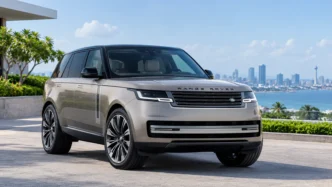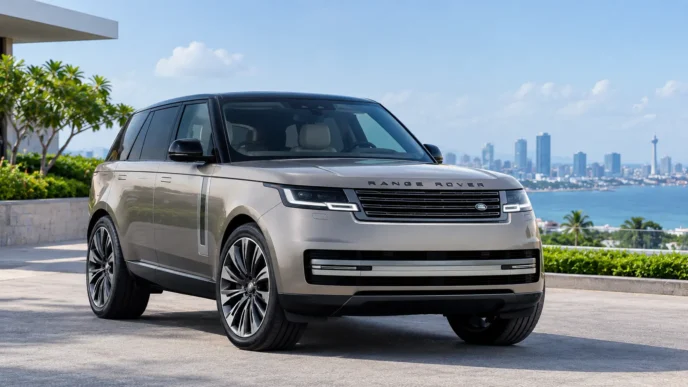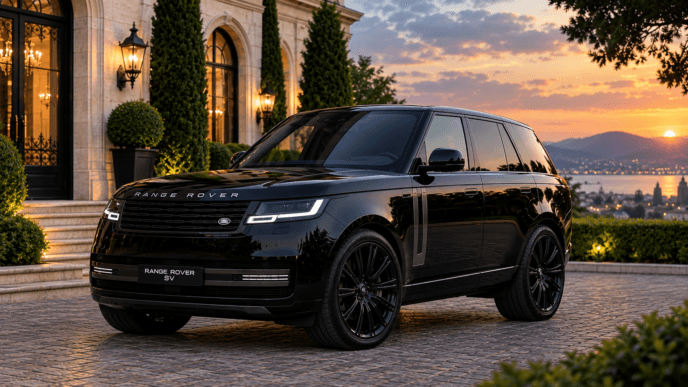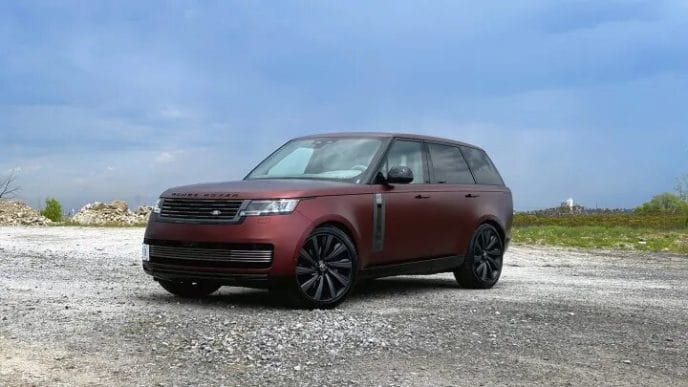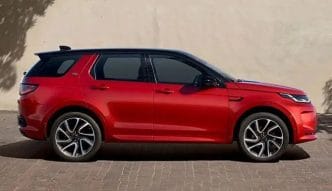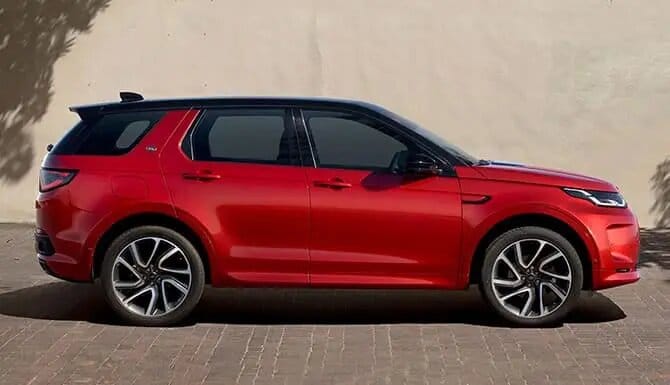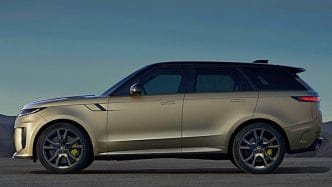





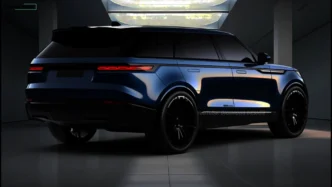
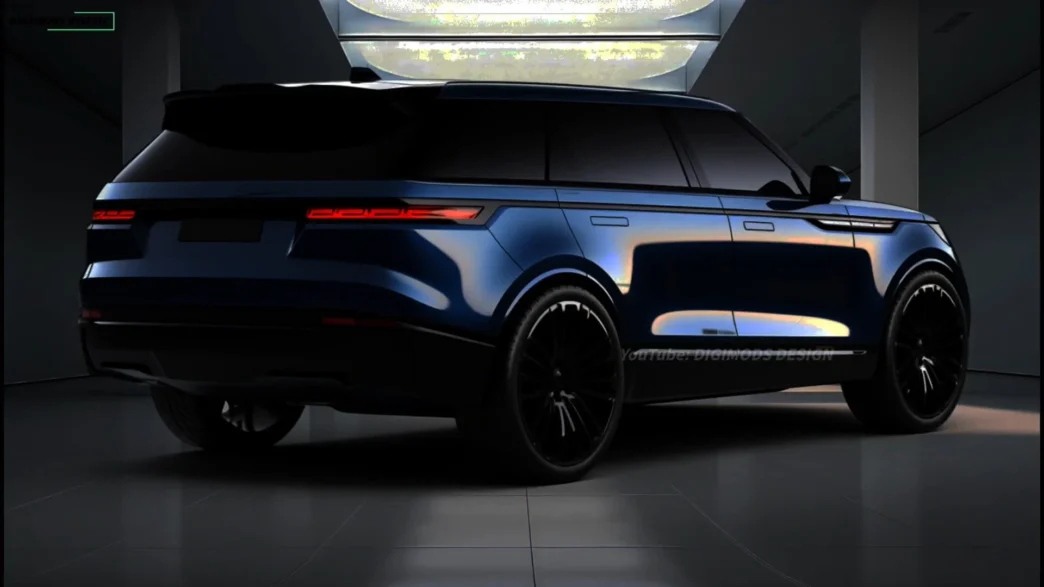
The Range Rover name has been associated with luxury, comfort, and all-terrain capability for decades. Now, the brand is entering a new chapter as it prepares to bring fully electric power to its flagship SUV family.
Jaguar Land Rover (JLR) has confirmed that production of the Range Rover Electric is planned to begin in September 2026. The milestone represents an important step in the company’s wider electrification strategy and marks the arrival of a fully electric powertrain within the Range Rover family.
According to recent reporting, JLR is tentatively targeting around 12,000 electric vehicles during FY27, with the Range Rover Electric among a group of new electric products scheduled to enter production. JLR says the launches will be introduced progressively as production increases.
For Sri Lankan luxury-SUV buyers, this raises an interesting question: What does the Range Rover Electric mean for the local market?
The answer is not simply about switching from petrol to electricity. The arrival of an eclectic Range Rover could have implications for charging, ownership, performance, availability, and the future direction of luxury SUVs in Sri Lanka.
From the humble L322 to the modern Range Rover Sport, the Velar, or just the desire to join the Range Rover family, the latest news spells out the direction Range Rover will be taking for the next decade. It’s the easiest to state: The original luxury SUV is making the switch to electric.
Range Rover Electric Production Begins in September 2026
The September 2026 production start was highlighted by JLR CEO P.B. Balaki during Tata Motors Passenger Vehicle’s Q1 FY27 earnings call.
JLR has four products approaching launch as part of its current electric and product program: the Range Rover Electric, Range Rover Sport Electric, Range Rover GT, and Jaguar Type 01. The company expects these products to be introduced progressively over the coming months and beyond.
CarWale has also reported that production of the Range Rover EVs is scheduled to begin in September 2026. The publication notes that the electric models will complete a broader Range Rover powertrain portfolio that already includes petrol, diesel, mild-hybrid, and plug-in hybrid options.
This is an important moment for Range Rover because the brand is not creating an electric vehicle that sites completely outside its traditional identity. Instead, it is bringing battery-electric technology into the Range Rover family while aiming to maintain the luxury and capability expected from the name.
What Is the Range Rover Electric?
The Range Rover Electric is a fully battery-electric SUV, meaning it uses electric motors powered by a high-voltage battery rather than a conventional petrol or diesel engine.
Range Rover describes the model as the beginning of a new era for the brand, with near-silent fully electric propulsion designed to provide a refined driving experience. The official Range Rover website highlights seamless acceleration, zero tailpipe emissions, and the ability to charge at home or while travelling.
This is particularly significant for Range Rover because refinement has always been an important part of the brand’s identity.
Electric motors can deliver power smoothly and almost immediately, while the absence of conventional engine noise can create a quieter cabin environment. For a luxury SUV, these characteristics could complement the comfortable and premium experience Range Rover customers already expect.
At the same time, the Range Rover Electric is being developed as a capable SUV rather than simply a city-focused electric vehicle.
Luxury and Electric Performance Come Together
The move to electric power does not mean Range Rover is moving away from its traditional focus on capability.
The official Range Rover information highlights the combination of electric propulsion, luxury and all-terrain performance. The brand currently states that the Range Rover Electric has a maximum wading depth of 900 mm, although real-world performance will depend on conditions and the specific vehicle configuration.
This is an important distinction.
Many premium EVs are designed with road driving and urban usage first. The Range Rover Electric is built to deliver the capability you’d expect of the Range Rover name, but with a very different powertrain.
For buyers, this could make the model particularly interesting because it offers the possibility of combining:
- Fully electric driving
- Near-silent operation
- Instant electric response
- Luxury and comfort
- Long-distance SUV capability
- All-terrain functionality
The final production specifications and market-specific equipment will ultimately determine how the vehicle performs in individual markets.
Why the September Production Start Matters
The start of production is more significant than simply adding another electric vehicle to the market.
Range Rover is one of the most recognizable names in the luxury SUV segment. The fact that a fully electric version is now in production shows that battery-electric technology is becoming a serious part of the brand’s future.
JLR is also being evaluated on its approach. The company has tentatively planned around 12,000 EVs for FY27, which indicates the initial production phase will probably ramp up gradually instead of hitting mass-market volumes straight away.
JLR also said it is targeting electric models that are at least margin-neutral to their combustion-engine counterparts. The company is, essentially, not trying to compete on high-volume affordability but rather positioning these EVs as premium offerings.
This means that for Range Rover customers the electric model will firmly stay in the luxury SUV segment.
What Does This Mean for Sri Lankan Buyers?
This is where the September production announcement becomes particularly interesting for Sri Lankan readers.
First, it is important to understand the difference between production and local availability.
The fact that Range Rover Electric production is scheduled to begin in September 2026 does not automatically mean that the model will be immediately available in Sri Lanka.
Availability in Sri Lanka would depend on factors such as market allocation, import arrangements, regulations, taxes, local distribution, and after-sales support.
Therefore, Sri Lankan buyers should currently view the September production milestone as an important global development rather than a confirmed local launch date.
If the Range Rover Electric is officially introduced to Sri Lanka, however, it could provide an interesting new option for customers looking for a premium electric SUV.
Charging Could Be One of the Biggest Considerations
For Sri Lankan buyers, charging infrastructure will be one of the most important practical considerations when looking at any fully electric luxury SUV.
Range Rover says the new electric model can be charged at home or on the go, and the company is developing charging technology designed to make EV ownership convenient. It also highlights battery technology intended to support performance over many years and thousands of kilometers.
For a potential Sri Lankan owner, home charging could be particularly important.
A customer with suitable private parking may be able to install a home charging solution and use it for regular overnight charging. This could make everyday EV ownership considerably more convenient.
Public charging will also matter, especially for customers who frequently travel between Colombo and other parts of the country.
Before purchasing a fully electric Range Rover, buyers should therefore consider their normal driving routes and access to reliable charging.
How Practical Could the Range Rover Electric Be in Sri Lanka?
Sri Lankan driving conditions can vary significantly.
A luxury SUV may be used for daily city driving, motorway journeys, long-distance travel, hill-country routes on trips to less-developed roads.
This makes the Range Rover Electric’s combination of electric propulsion and all-terrain capability particularly interesting.
However, buyers should not assume that an electric SUV will deliver the same driving range in every situation.
Range Rover itself explains that real-world electric range can differ from official test figures depending on factors such as speed, temperature, vehicle load, wheel and tire selection, climate control, route, and driving style.
This is especially relevant in Sri Lanka.
Heavy traffic, air-conditioning use, steep roads, and passengers and luggage can all influence energy consumption. Long-distance journeys should therefore be planned around available charging infrastructure rather than relying only on a laboratory-tested range figure.
Range Rover Electric vs Plug-In Hybrid Range Rover
The arrival of the Range Rover Electric does not mean that buyers will have only one electrified option.
Range Rover already has plug-in electric hybrid (PHEV) versions. These combine a petrol engine with an electric motor and battery. It allows customers to drive using electric power for shorter journeys but also to retain the flexibility of a combustion engine.
Range Rover’s current PHEV range in the Xi market is quoted at up to 116 km of WLTP electric range, and Range Rover estimates around 90 km of real-world electric range under its stated conditions. The brand also claims the PHEV can charge from 0-80% in less than an hour using a 50 kW rapid DC charger.
This could make a PHEV an appealing choice for some Sri Lankan buyers.
A customer who mainly drives around Colombo and has access to charging could benefit from regular electric driving, while the petrol engine provides additional flexibility for longer journeys.
A fully electric Range Rover, on the other hand, would be more suitable for customers who are ready to move completely away from petrol or diesel propulsion.
The right choice will depend on individual driving habits, charging access, and local availability.
What About the Range Rover Electric Price in Sri Lanka?
Price is likely to be one of the biggest questions among Sri Lankan Range Rover enthusiasts.
However, it is too early to give a confirmed Sri Lankan retail price for the Range Rover Electric unless an official local price is announced.
The eventual Sri Lankan price could be influenced by several factors, including:
- International vehicle pricing
- Vehicle specification
- Import duties and taxes
- Shipping costs
- Currency exchange rates
- Registration costs
- Local distribution arrangements
- After-sales and warranty considerations
For this reason, overseas prices should not be presented as the final expected Sri Lankan price.
Once official local information becomes available, buyers will have a much clearer picture of where the Range Rover Electric sits within the Sri Lankan luxury SUV market.
Will the Range Rover Electric Come to Sri Lanka?
At present, the September production announcement should not be interpreted as confirmation of a Sri Lankan launch.
JLR’s current announcements are focused on its global electric vehicle rollout, and recent reporting highlights the initial production program rather than a confirmed Sril Lankan sales timeline.
This means Sri Lankan buyers should watch for official announcements regarding:
- Local launch plans
- Available specifications
- Pricing
- Import arrangements
- Delivery timelines
- Warranty coverage
- Charging support
- Servicing and maintenance
A global production start is an important first step, but local availability requires additional market-specific decisions.
What Should Sri Lankan Buyers Consider Before Buying?
If the Range Rover Electric becomes available locally, prospective customers should look beyond the vehicle’s luxury features and electric performance.
Charging Access
Consider whether you can install a suitable home charger and how easily you can access public charging stations.
Driving Habits
Think about how far you normally drive each day and how frequently you make long-distance journeys.
Real-World Range
Do not rely only on official test-cycle figures. Driving style, climate, passengers, luggage, and road conditions can affect actual range.
After-Sales Support
Battery servicing, software updates, warranty coverage, and access to trained technicians will be important for long-term ownership.
Resale Value
As the Sri Lankan EV market develops, buyers may also want to consider how demand for premium electric SUVs could affect future resale values.
Total Cost of Ownership
The purchase price is only one part of ownership. Buyers should also consider charging, insurance, maintenance, and other running costs.
A New Direction for the Range Rover Family
The Range Rover Electric is arriving at a time when luxury vehicle manufacturers are increasingly combining established nameplates with electric power.
For Ranfe Rover, this approach allows the brand to move toward electrification without abandoning the qualities that have made its SUVs popular.
The official Range Rover website currently presents a wider powertrain strategy that includes plug-in electric hybrids alongside petrol V8 and diesel mild-hybrid options, while the fully electric Range Rover represents the next step in the brand’s transition.
This means customers will increasingly have more choice over how their Range Rover is powered.
What the Range Rover Electric Could Mean for Sri Lanka’s Luxury SUV Market
If the Range Rover Electric eventually reaches Sri Lanka through official channels, it could have an interesting effect on the local luxury SUV segment.
Sri Lankan buyers who already prefer premium SUVs may increasingly consider electric alternatives as charging infrastructure develops
The Range Rover Electric could also help demonstrate that electric vehicles do not necessarily have to mean smaller city cars or conventional family vehicles.
A large, premium, and capable SUV can also adopt electric propulsion.
That could encourage more luxury vehicle customers to consider EVs while retaining the comfort, space, and road presence they expect from a Range Rover.
However, the success of the model locally will depend on more than its technology.
Pricing, taxes, charging infrastructure, service support, and customer confidence will all play important roles.
The Road Ahead for Range Rover Electric
The planned September 2026 production start is an important milestone for the Range Rover brand.
It represents the move from development and anticipation toward actual production of the first fully electric Range Rover.
For Sri Lankan buyers, the most important point is that this is a global production milestone, not yet a confirmed Sri Lankan launch announcement.
That distinction is important when considering availability, pricing, and delivery timelines.
As production begins and more technical and market information becomes available, Sri Lankan buyers will have a better opportunity to understand whether the Range Rover Electric is the right choice for their needs.
For now, it is certainly a model worth watching.
The Range Rover Electric combines the direction of modern electric mobility with one of the world’s best-known luxury SUV names. If it eventually arrives in Sri Lanka, it could represent an important step in the country’s growing premium EV market.
Conclusion
The planned September 2026 production of the Range Rover Electric marks a major step in the evolution of the Range Rover brand.
For Sri Lankan buyers, it is a development worth watching closely. The combination of fully electric driving, luxury, refinement, and all-terrain capability could make the model particularly attractive to premium SUV customers.
But before making any decision, buyers should wait for confirmed Sri Lankan information about availability, price, specifications, charging support, and after-sales service.
The electric Range Rover era is beginning – and the next question for Sri Lankan enthusiasts is when this new generation of luxury SUV will make its way onto local roads.
Frequently Asked Questions (FAQ)
When will Range Rover Electric production begin?
JLR has planned the start of Range Rover Electric production for September 2026. The company has tentatively targeted around 12,000 EVs for FY27 as its new electric products enter production.
Is the Range Rover Electric available in Sri Lanka?
The September 2026 production announcement does not confirm a Sri Lankan launch. Local availability, pricing, and delivery information would need to be confirmed separately.
Is the Range Rover Electric a fully electric SUV?
Yes. The Range Rover Electric is a battery-electric vehicle (BEV) using electric propulsion instead of a petrol or diesel engine. Range Rover describes it as offering near-silent fully electric propulsion and zero tailpipe emissions.
How will the Range Rover Electric be charged?
Range Rover says the vehicle can be charged at home or on the go using charging infrastructure. The company highlights convenient charging technology and access to rapid charging networks.
What is the difference between the Range Rover Electric and the Range Rover PHEV?
The Range Rover Electric is fully battery-electric, while a Range Rover PHEV combines an electric motor and battery with a petrol engine. A PHEV can therefore provide electric driving while retaining a petrol engine for longer journeys.