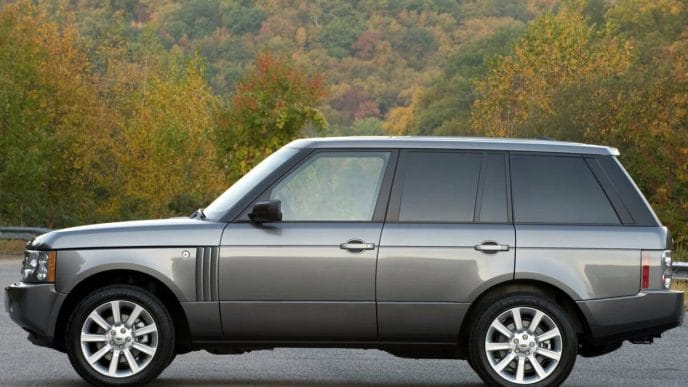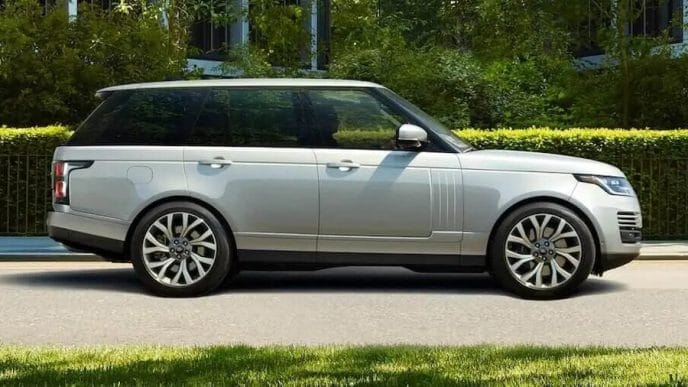





A Range Rover that hesitates before moving, shifts harshly, or struggles to change gears may have a transmission problem. These symptoms can worry owners because gearbox repairs can be expensive.
However, not every gearbox issue requires a complete replacement. Fluid problems, faulty sensors, electrical issues, and worn internal components can cause similar symptoms.
This guide explains common Range Rover gearbox problems, their possible causes, diagnosis methods, and repair options. It also covers important checks for Sri Lankan owners and used-vehicle buyers.
Common Signs of Range Rover Gearbox Problems
Watch for these warning signs:
- Delayed engagement when selecting Drive or Reverse.
- Harsh or jerky gear changes.
- Gear slipping during acceleration.
- Whining, humming, or grinding noises.
- Burning smells after driving.
- Transmission fluid leaks.
- Gearbox warning messages.
- Reduced power or limp mode.
These symptoms do not confirm a specific gearbox fault. A professional inspection and diagnostic scan are necessary to identify the actual cause.
How Does a Range Rover Automatic Gearbox Work?
An automatic gearbox transfers engine power to the wheels while adjusting gear rations according to driving conditions.
It uses several components that work together:
- Transmission fluid: Lubricates components, manages heat, and supports hydraulic operation.
- Clutches and gears: Provide different gear ratios.
- Valve body or mechatronic unit: Controls hydraulic pressure and gear changes.
- Sensors and solenoids: Help regulate transmission operation.
- Transmission control module: Manages electronic shifting functions.
Because these systems work together, one symptom can have several possible causes. Transmission specifications also vary between Range Rover models and production years.
Common Range Rover Gearbox Problems and Their Symptoms
1. Delayed Gear Engagement
A delay when selecting “Drive” or “Reverse” may indicate a transmission problem.
You might move the selector from Park to Drive but notice that the vehicle takes several seconds to respond.
Possible causes include low or degraded fluid, hydraulic pressure problems, faulty solenoids, or internal wear.
Notice whether the delay happens when the engine is cold, warm, or both. Arrange an inspection if it continues.
For additional information, read this guide to common Range Rover transmission problems.
2. Harsh or Jerky Gear Changes
Automatic transmissions should change gears smoothly under normal conditions.
If your Range Rover suddenly jerks or jolts during gear changes, possible causes include fluid problems, faulty sensors, software issues, or internal component wear.
A diagnostic scan and road test can help identify the source.
3. Gear Slipping During Acceleration
Gear slipping occurs when engine speed increases without a matching increase in vehicle speed.
Possible causes include low transmission fluid, worn clutch components, hydraulic pressure problems, or internal damage.
Slipping can make acceleration unpredictable. Avoid hard acceleration and arrange an inspection promptly.
4. Unusual Gearbox Noises
Whining, humming, grinding, or clunking sounds may indicate a mechanical or lubrication problem.
However, not every unusual noise comes from the gearbox. The transfer case, differential, bearings, and other drivetrain components can produce similar sounds.
A technician should identify the source before recommending repairs.
5. Burning Smells and Fluid Leaks
A burning smell may indicate excessive heat or slipping components. A strong smell alongside shifting problems needs prompt attention.
Fluid leaks may come from damaged seals, gaskets, cooler lines, or connections. However, other vehicle fluids can also leak underneath the vehicle.
Have the fluid source identified before deciding on repairs.
6. Gearbox Warning Messages and Limp Mode
Modern Range Rover vehicles use electronic systems to monitor transmission performance.
When the system detects a fault, a warning message may appear. The vehicle may also enter limp mode, which limits performance to protect certain components.
Possible causes include sensor faults, electrical problems, overheating, or mechanical defects.
For model-specific warning information, refer to the official Land Rover iGuide. Do not simply clear a warning without investigating its cause.
Warning Signs of Range Rover Air Suspension Problems
Air suspension faults can develop gradually. Recognizing changes in the vehicle’s behavior may help owners arrange an inspection before the problem becomes more serious.
1. The vehicle sits lower after parking
One corner may sit noticeably lower than the others after the vehicle has been parked for several hours.
A leak in an air spring, pipe, fitting, or valve may cause this change.
Repeated or uneven lowering should be investigated. A single observation does not identify the fault component.
2. The compressor runs more frequently
The compressor may operate more often or for longer periods than usual.
This can happen when the system is trying to maintain pressure despite an air leak. A worn compressor or another air supply problem may also be responsible.
3. The vehicle takes longer to change height
If the vehicle responds slowly when you select a different ride height, the system may not be building or distributing air pressure correctly.
The compressor, air lines, valve block, or other components may need inspection.
4. A suspension warning appears
Messages such as “Suspension Fault” or “Normal Height Only” indicate that the system has detected a problem or restricted some functions.
The exact meaning and recommended action depend on the vehicle and its owner’s manual.
5. The vehicle leans to one side
A vehicle that sits unevenly may have a problem involving an air spring, height sensor, sensor linkage, or another suspension component.
A technician should compare the actual ride height with the sensor readings.
6. An unusual hissing sound
A hissing sound near a wheel or underneath the vehicle may indicate escaping air.
However, sound alone cannot confirm the location or cause of a leak.
What Causes Range Rover Gearbox Problems?
Several mechanical, electronic, and operating factors can affect transmission performance.
Transmission fluid problems: Incorrect fluid, leaks, or deteriorated fluid can affect lubrication, cooling, and hydraulic operation. Always use the specification approved for the particular gearbox. See ZF Aftermarket’s transmission oil guidance.
Excessive heat: High operating temperatures can affect transmission fluid and internal components. Heavy loads, demanding driving, and cooling-system problems may contribute.
Electrical and software faults: Sensors, wiring, solenoids, and control modules help manage gear changes. A fault in these systems may affect transmission behavior.
Internal component wear: Clutches, bearings, seals, and gears can wear over time. Prolonged operation with an unresolved fault may contribute to further damage.
Driving conditions: Frequent towing, heavy loads, and repeated hard acceleration can place additional demands on the drivetrain.
Range Rover Gearbox Problems in Sri Lanka
Sri Lankan driving conditions make regular vehicle maintenance important.
Stop-start traffic in Colombo involves frequent gear changes. Hill-country roads around Kandy, Nuwara Eliya, and Ella can place different demands on the drivetrain. High temperatures and demanding driving conditions can also affect vehicle operating temperatures.
Deep water crossings deserve particular attention because water exposure can affect drivetrain components and electrical connections.
These conditions do not prove that a particular gearbox will fail. They are reasons to follow suitable maintenance practices and investigate unusual symptoms early.
How Are Range Rover Gearbox Problems Diagnosed?
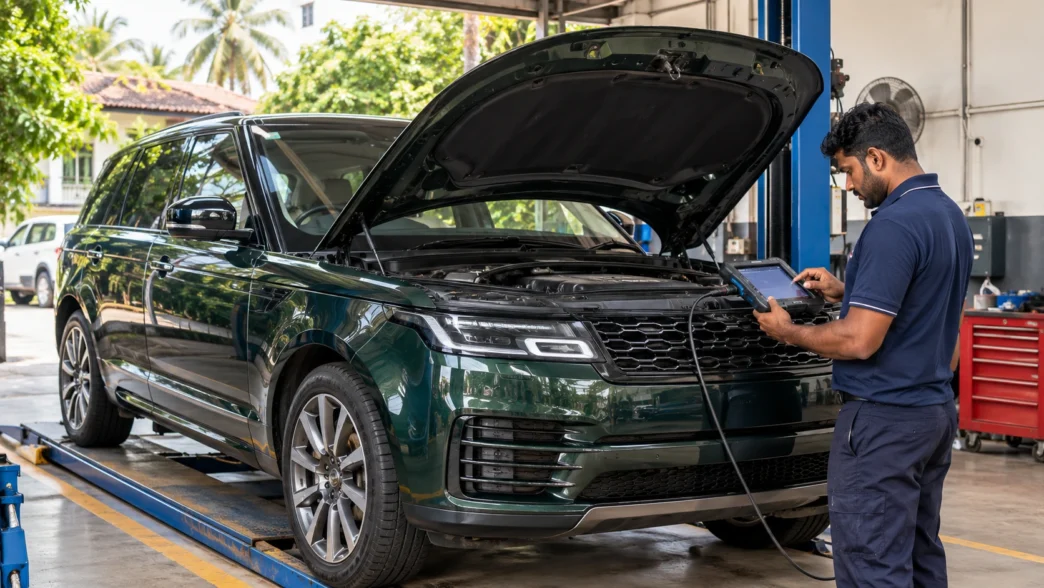
A proper diagnosis should happen before approving major repairs.
A specialist may follow these steps:
- Review the symptoms: Establish when the problem occurs, such as during cold starts, acceleration, or gear changes.
- Perform a diagnostic scan: Read transmission-related fault codes and examine relevant live data.
- Inspect the fluid: Check its condition, level, and possible contamination using the correct procedure.
- Check electrical components: Inspect relevant sensors, wiring, connectors, and solenoids.
- Inspect mechanical components: Examine the valve body, mechatronic unit, and other components where necessary.
- Conduct a road test: Observe gear changes and vehicle behavior under suitable conditions.
A fault code does not always prove that a particular component has failed. Further testing may be required.
Some transmissions also require specific procedures and temperature ranges when checking fluid levels. See the ZF 8HP service information. This procedure applies to compatible ZF 8HP transmissions, not every Range Rover gearbox.
Range Rover Gearbox Repair Options
The correct repair depends on the confirmed fault, gearbox type, and vehicle condition.
- Fluid service or leak repair: Address fluid-related problems using the correct specification and procedure.
- Sensor or solenoid repair: Replace or repair confirmed faulty electrical components.
- Valve body or mechatronic repair: Address faults affecting hydraulic or electronic control.
- Gearbox rebuild: Dismantle and repair a gearbox with suitable internal components.
- Complete replacement: Consider a replacement when the existing unit has extensive damage or rebuilding is not practical.
Before approving major work, request a written diagnosis, itemized estimate, and repair warranty.
For information about replacement components, read our guide to Range Rover parts in Sri Lanka.
What to Check Before Buying a Used Range Rover
A used Range Rover may look good externally but still have an underlying gearbox problem.
Before purchasing:
- Request available service and repair records.
- Ask whether the gearbox was previously repaired or replaced.
- Check drive and reverse engagement.
- Observe gear changes during a suitable road test.
- Look for slipping, jerking, and unusual noises.
- Check for dashboard warning messages and fluid leaks.
- Arrange a diagnostic scan and independent inspection.
Do not rely only on a short test drive. A qualified specialist can check for problems that may not appear immediately.
Read our used Range Rover buying guide for Sri Lanka for additional checks.
When Should You Stop Driving?
Stop in a safe place and arrange professional assistance if:
- The vehicle suddenly loses drive.
- The transmission slips severely.
- You notice smoke or a strong burning smell.
- There is loud grinding or severe clunking.
- Fluid is leaking heavily.
- A warning appears alongside abnormal vehicle behaviour.
- Limp mode makes it unsafe to maintain a suitable speed.
Do not continue a long journey with a serious transmission fault.
How to Reduce the Risk of Gearbox Problems
Good maintenance habits can help protect your transmission.
- Follow the service requirements for your specific model.
- Use the correct approved transmission fluid.
- Check for leaks during routine inspections.
- Investigate unusual gear changes promptly.
- Do not ignore warning messages.
- Stop completely before switching between Drive and Reverse.
- Follow the manufacturer’s towing and load limits.
- Keep records of servicing and repairs.
Transmission servicing requirements differ between gearbox types. Do not assume every Range Rover follows the same fluid replacement interval.
See our Range Rover maintenance checklist for more vehicle care advice.
Final Thoughts
Range Rover gearbox problems can affect driving comfort, performance, and reliability. Delayed engagement, harsh shifting, slipping, and warning messages should not be ignored.
However, these symptoms do not automatically mean the entire gearbox has failed. A proper diagnostic scan, fluid inspection, and mechanical assessment can help identify the actual problem.
For owners in Sri Lanka, regular maintenance and early inspections can help prevent unnecessary repairs and protect the vehicle.
Related guides:
Frequently Asked Questions (FAQ)
What are the common signs of Range Rover gearbox problems?
Common signs include delayed engagement, harsh shifting, slipping, unusual noises, burning smells, fluid leaks, and dashboard warning messages.
Can I drive with a gearbox warning message?
It depends on the warning and vehicle behavior. If the vehicle loses drive, slips severely, or becomes unsafe to control, stop and arrange assistance.
Does a gearbox fault always require replacement?
No. Some problems involve fluid, sensors, wiring, solenoids, or control components. A proper diagnosis should come first.
How much does Range Rover gearbox repair cost in Sri Lanka?
The cost depends on the model, gearbox type, fault, parts, and labor. Request an inspection and itemized estimate before approving repairs.
Should I change my Range Rover gearbox fluid?
Follow the service requirements for your specific transmission. Use the approved fluid and correct procedure recommended for your vehicle.