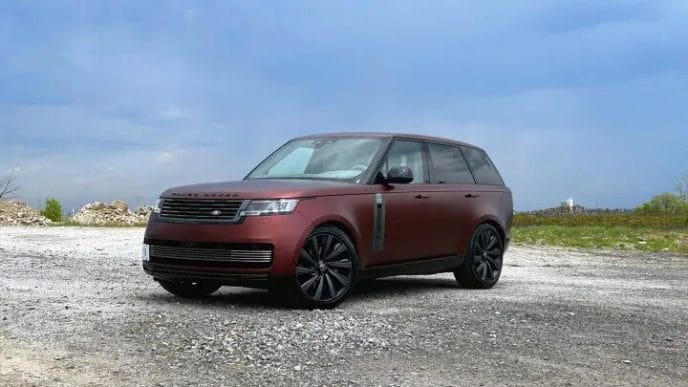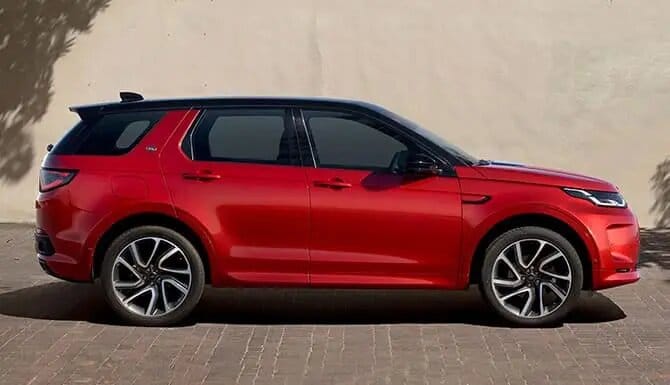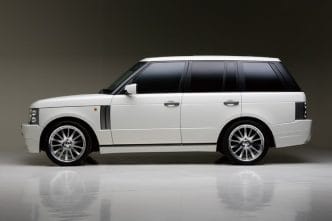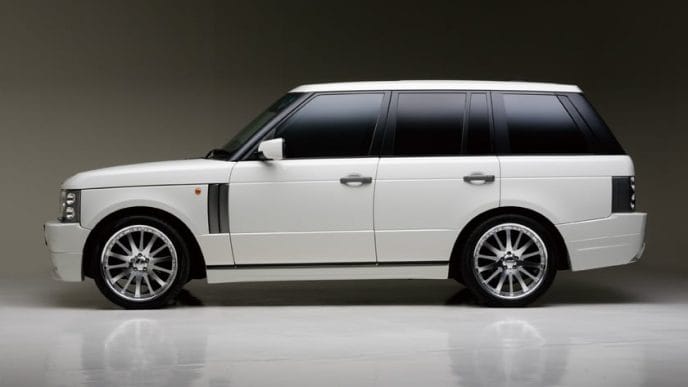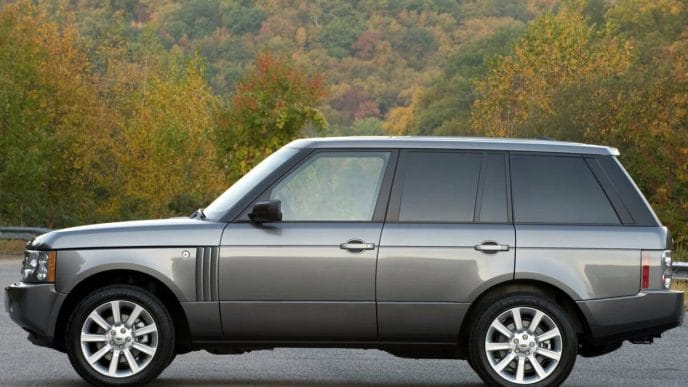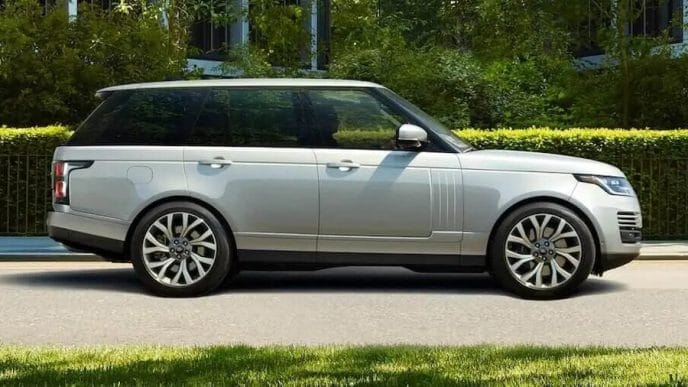





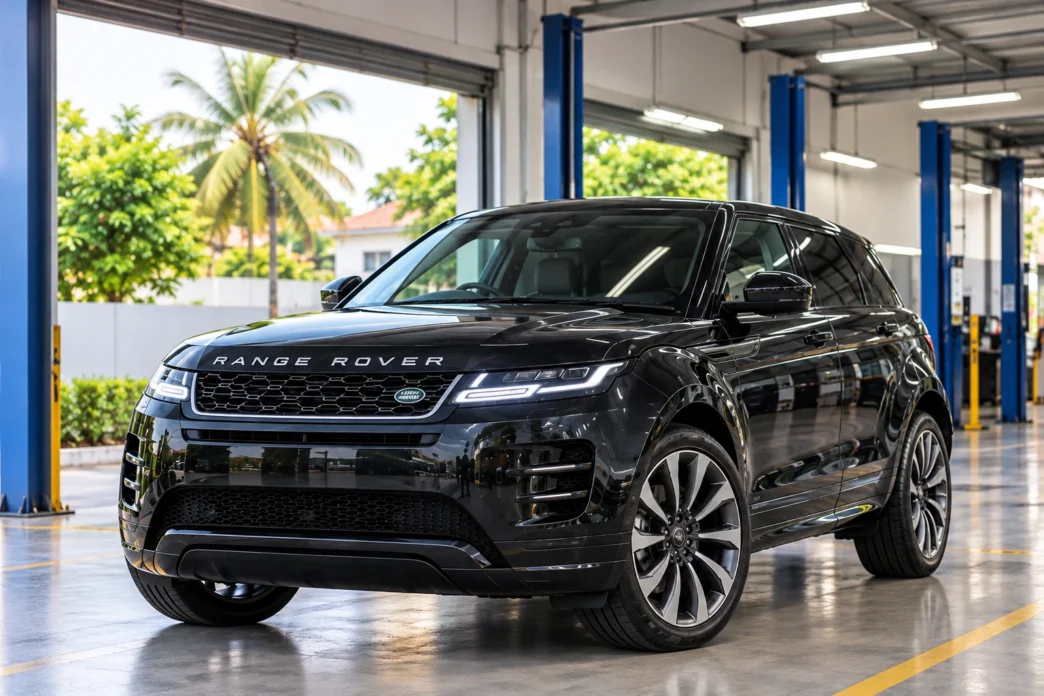
The Range Rover Evoque combines premium styling, comfortable interiors, and impressive SUV performance. Since its introduction in 2011, it has become a popular choice among buyers looking for a luxury compact SUV.
Understanding common Range Rover Evoque problems is important when choosing a used model, especially if you plan to drive it regularly in Sri Lanka.
However, Range Rover Evoque problems can become expensive when maintenance is neglected. Engine wear, gearbox faults, diesel emissions issues, and electrical problems are among the concerns reported by owners and independent specialists.
For Sri Lankan buyers, understanding these problems is important when choosing an imported used Evoque. This guide explains common faults across different generations and engine options, along with important checks for local owners.
First-Generation Range Rover Evoque (2011–2018)
The first-generation Evoque, known as the L538, was available with different petrol and diesel engines depending on the market and production year.
Some common Range Rover Evoque problems in early models involve diesel engine performance, emissions systems and age-related mechanical wear.
1. 2.2-Liter Diesel Engine Problems
Early Evoque models were available with 2.2-liter TD4 and SD4 diesel engines. These engines offer good pulling power but require proper maintenance.
Common concerns include:
- Timing system wear and related engine noises.
- Coolant leaks from aging plastic connections.
- Turbocharger and boost system faults.
- EGR and DPF problems.
- Oil leaks and reduced engine performance.
A metallic rattling noise during cold starts may indicate timing chain or tensioner wear on applicable engine versions. Coolant loss can also cause overheating when ignored.
Timing system arrangements vary by engine specification. Buyers should check the engine code and maintenance requirements using the vehicle’s VIN.
For more information, see the CarsGuide Range Rover Evoque problems guide.
2. 2.0-Litre Ingenium Diesel Engine Problems
Later, first-generation Evoques introduced the 2.0-liter Ingenium diesel engine.
One reported concern is timing chain wear. Drivers may notice metallic rattling during cold starts or unusual engine noises.
Another important issue is oil dilution. During diesel particulate filter (DPF) regeneration, additional fuel helps burn accumulated soot. Repeatedly interrupted regeneration cycles can allow fuel to enter the engine oil.
This reduces the oil’s ability to protect internal engine components.
Warning signs include:
- Rising engine oil levels.
- An unusual fuel smell in the engine oil.
- Oil dilution warning messages.
- Poor engine performance.
- Unusual timing chain noises.
Among the reported Range Rover Evoque engine problems, timing chain wear and DPF-related issues deserve careful attention when inspecting used diesel models.
For further technical information, read the JLR Engines guide to Range Rover Evoque engine problems and reliability.
Second-Generation Range Rover Evoque (2019 Onwards)
The second-generation Evoque, known as the L551, introduced updated technology, revised engine options, and a more modern interior.
However, these vehicles still require careful maintenance.
3. 2.0-Liter Ingenium Petrol Engine Problems
Some 2.0-liter Ingenium petrol engines can develop cooling system problems.
Potential warning signs include:
- Unexplained coolant loss.
- Rising engine temperature.
- Coolant leaks around the water pump or thermostat housing.
- Engine temperature warning messages.
Damaged or aging cooling system components may cause coolant leaks. If the problem continues, overheating can lead to serious engine damage.
Certain later mild-hybrid versions also have additional engine-specific maintenance requirements. Always confirm the exact engine specification before arranging repairs.
4. Automatic Gearbox Problems
Some Evoque models equipped with automatic transmissions have experienced delayed gear changes, hesitation, and rough shifting.
Drivers may notice jerking during acceleration or delays when selecting Drive or Reverse.
Possible causes include software calibration issues, transmission fluid problems, and internal component wear.
A specialist diagnostic scan and gearbox inspection can help identify the actual cause.
Read our guide to Range Rover gearbox problems for more information about symptoms and diagnosis.
Other Common Range Rover Evoque Problems
5. Diesel Particulate Filter (DPF) Blockages
DPF problems can affect diesel Evoques, particularly those frequently driven on short journeys.
The DPF collects soot from exhaust gases and periodically burns it during regeneration. Frequent interruptions can prevent this process from completing properly.
Common symptoms include reduced engine power, warning lights, poor fuel economy, and restricted performance.
This is worth considering for Sri Lankan owners who regularly drive through Colombo traffic or make frequent short journeys.
A diagnostic inspection can determine whether the filter needs regeneration, professional cleaning, or further repairs.
6. Electrical and Infotainment Problems
The Evoque uses several electronic systems to manage entertainment, safety, and vehicle functions.
Some owners report frozen infotainment screens, faulty parking sensors, reversing camera problems, and unexpected dashboard warnings.
Weak batteries, software faults, and damaged electrical connections can contribute to these issues.
Check all electronic features before purchasing a used vehicle. A professional diagnostic scan can help identify stored fault codes.
7. Suspension and Brake Problems
Suspension components such as control arm bushes, ball joints, and anti-roll bar links can wear over time.
Common symptoms include knocking noises over uneven roads, steering vibration, and uneven tire wear.
Brake pads and discs also require regular inspection. Some models may develop electronic parking brake problems.
Sri Lankan road conditions make suspension inspections particularly important when purchasing an older Evoque.
For additional information, read our guide to Range Rover air suspension problems.
What Should You Check Before Buying a Used Range Rover Evoque in Sri Lanka?
A used Evoque needs a proper mechanical inspection before purchase. A clean exterior does not always indicate good mechanical condition.
Checking for these Range Rover Evoque problems before purchasing can help Sri Lankan buyers identify potential repair needs and make a better-informed decision.
Pay attention to these areas:
- Engine condition: Check for coolant loss, oil leaks, smoke, and unusual noises.
- Gearbox performance: Test gear changes during acceleration, reversing, and slow driving.
- Service history: Review oil changes, timing system maintenance, and previous repair records.
- DPF system: Check warning messages and regeneration-related problems on diesel models.
- Electrical systems: Test the infotainment screen, cameras, sensors, and air conditioning.
- Suspension: Inspect bushes, control arms, and other components for wear.
- Diagnostic scan: Request a complete vehicle scan from a Land Rover specialist.
Also consider replacement parts availability and specialist servicing options before purchasing.
Our guide to common Range Rover problems and faults provides further information about inspecting different Range Rover models.
Final Thoughts
The Range Rover Evoque offers premium comfort, attractive styling, and practical SUV performance. However, different generations and engine options have their own maintenance requirements and potential problems.
For Sri Lankan buyers, checking the engine specification, service history, and overall mechanical condition is essential before purchasing a used model.
Regular maintenance, early fault detection, and professional inspections can help reduce unexpected repair costs and support a better ownership experience.
Frequently Asked Questions (FAQ)
What are the most common Range Rover Evoque problems?
Common concerns include timing system wear, DPF blockages, turbocharger faults, automatic gearbox problems, electrical issues, and suspension wear. The actual risks depend on the engine and maintenance history.
Which Range Rover Evoque engine has timing chain problems?
Timing chain wear is a reported concern with certain 2.2-liter SD4 and 2.0-liter Ingenium engines. The timing system differs between engine variants, so check the exact engine specification.
Are Range Rover Evoque diesel engines suitable for Sri Lanka?
They can be suitable when properly maintained. However, frequent short journeys and heavy urban traffic can affect DPF regeneration. Regular servicing and correct driving practices are important.
Does the Range Rover Evoque have automatic gearbox problems?
Some models experience hesitation, jerking, and delayed gear changes. Software issues, fluid condition, and internal wear should be checked during diagnosis.
Is the second-generation Range Rover Evoque more reliable?
The second generation introduced updated engines and technology, but it can still develop mechanical and electrical problems. Maintenance history and vehicle condition remain important.