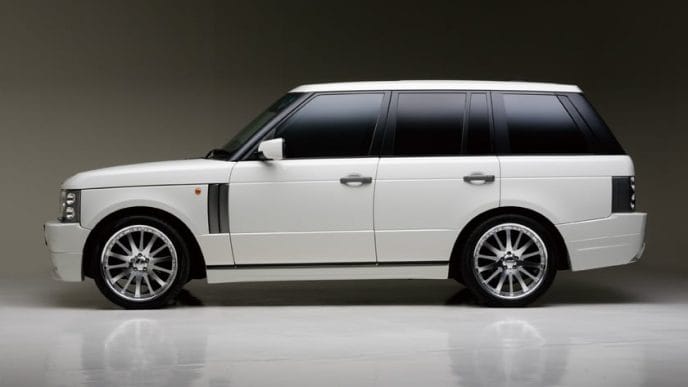





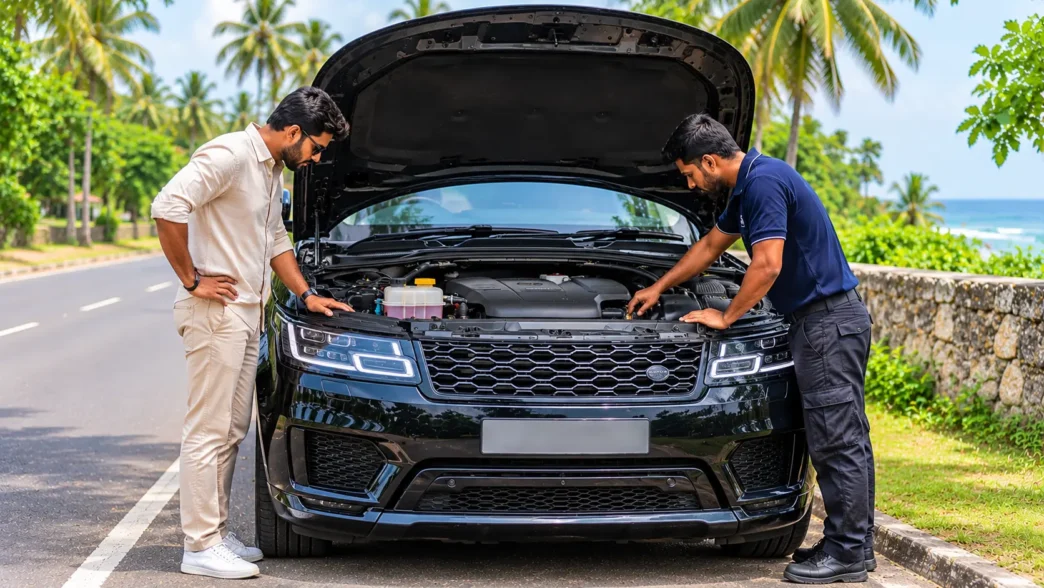
A Range Rover engine that overheats needs immediate attention. Continuing to drive with a high engine temperature can cause serious engine damage and expensive repairs. Cooling system problems may develop gradually or appear without warning.
Range Rover overheating problems can affect engine performance and lead to expensive repairs if ignored
This guide explains common Range Rover overheating problems, warning signs, possible causes, repair options, and preventive maintenance for Sri Lankan owners.
This article is part of our common Range Rover problems and faults guide. RangeRover.lk is an independent automotive information website and is not affiliated with Land Rover.
Quick Answer: Why Does a Range Rover Overheat?
A Range Rover can overheat when its cooling system cannot remove enough heat from the engine. Common possible causes include:
- Coolant leaks from hoses, connections, or radiators.
- Water pump failure affecting coolant circulation.
- A faulty thermostat restricting coolant flow.
- Cooling fan or electrical problems.
- A blocked or damaged radiator.
- Low or incorrect coolant.
- Head gasket damage or internal engine leaks.
The correct cause depends on the vehicle’s model, engine, and maintenance history. Professional diagnosis is necessary before replacing components.
Warning Signs of Range Rover Overheating
Recognizing overheating early can help prevent further damage. Watch for these warning signs:
Rising engine temperature: The temperature gauge may move above its normal operating position or display a red warning.
Low coolant warning: A dashboard message may indicate insufficient coolant. Repeated coolant loss requires investigation.
Steam from the bonnet: Steam can indicate coolant escaping from a hot cooling system. Stop safely and switch off the engine.
Sweet coolant smell: A sweet smell around the engine compartment may indicate a coolant leak.
Reduced engine performance: Some models reduce engine power when operating conditions become unsafe.
Unusual cooling fan noise: A fan operating continuously or unusually loudly may indicate a cooling system or electrical fault.
Recognising these symptoms early can help you address Range Rover overheating problems before engine damage occurs.
Check the official Land Rover owner information for model-specific warning messages and instructions.
What to Do If Your Range Rover Overheats
If a serious temperature warning appears, prioritize safety.
- Switch on your hazard lights and pull over somewhere safe.
- Switch off the engine once safely parked.
- Turn off the air conditioning if you need a moment to reach a safe stopping location.
- Never open the coolant reservoir while the engine is hot.
- Allow the engine to cool completely before checking coolant.
- Contact roadside assistance or arrange vehicle recovery.
Never pour cold water onto a hot engine. Do not continue driving after a red temperature warning or visible steam.
The RAC car overheating guide provides additional general roadside safety advice.
Common Causes of Range Rover Overheating Problems
Coolant Leaks
Damaged hoses, loose connections, radiator joints, and aging plastic components can allow coolant to escape.
Common signs include falling coolant levels, visible liquid underneath the vehicle, and a sweet smell around the engine.
Water Pump Failure
The water pump circulates coolant through the engine and radiator. A failing pump can reduce circulation and cause engine temperature to rise.
Unusual noises, coolant leaks, and overheating may indicate a problem.
Thermostat Problems
The thermostat regulates coolant flow according to engine temperature. If it becomes stuck closed, coolant circulation through the radiator may become restricted.
This can cause the engine to overheat, particularly during normal driving.
Radiator Blockage
The radiator transfers heat from coolant into the surrounding air. Internal deposits, damaged fins or external debris can reduce its cooling performance.
Cooling Fan Problems
Cooling fans move air through the radiator, especially in slow-moving traffic. A faulty fan motor, electrical connection, or control component can reduce airflow.
Incorrect or Low Coolant
Low coolant can reduce heat transfer and cause overheating. Using an incorrect coolant specification or mixture may also affect cooling system performance.
Always use coolant approved for your particular Range Rover engine.
Head Gasket Problems
A damaged head gasket can allow combustion gases into the cooling system or coolant into internal engine areas.
Possible symptoms include repeated coolant loss, white exhaust smoke, and persistent overheating. These symptoms require professional testing before confirming head gasket failure.
Identifying the cause early can help prevent serious Range Rover overheating problems.
Read our Range Rover engine problems guide for additional engine-related information once published.
Why Sri Lankan Driving Conditions May Matter
Sri Lankan driving conditions can increase cooling demands, particularly when an existing cooling system fault is present.
- Colombo traffic: Slow-moving traffic reduces natural airflow through the radiator. Cooling fan performance becomes important.
- Hill country journeys: Long climbs around Kandy and Nuwara Eliya increase engine load.
- Dust and mud: Debris can collect around the radiator and restrict airflow.
- Imported used vehicles: Incomplete service records may hide previous coolant leaks or neglected maintenance
Heavy traffic and high temperatures can make Range Rover overheating problems more noticeable.
These conditions are reasons to inspect the cooling system, not proof of a particular mechanical fault.
How Mechanics Diagnose Overheating
Replacing parts without identifying the actual fault can increase repair expenses. A qualified technician may perform these checks:
- Review symptoms: Establish whether overheating happens in traffic, during hill climbs, or after longer journeys.
- Diagnostic scan: Retrieve stored fault codes and check relevant temperature sensor information.
- Coolant inspection: Check coolant level, condition, and visible leaks.
- Pressure test: Identify leaks and assess the cooling system’s ability to maintain pressure.
- Component inspection: Check the thermostat, water pump, radiator, and cooling fans.
- Internal leak testing: Investigate possible combustion gas leaks if coolant disappears repeatedly.
Accurate diagnosis is important for finding the underlying cause of Range Rover overheating problems.
Ask the workshop to explain how the fault was confirmed before approving repairs.
Range Rover Overheating Repair Costs in Sri Lanka
Repair expenses depend on the model, engine, damaged component, and availability of replacement parts.
Problem | Possible repair |
Coolant hose leak | Hose replacement |
Faulty pressure cap | Cap replacement |
Water pump failure | Water pump replacement |
Thermostat fault | Thermostat replacement |
Radiator damage | Radiator repair or replacement |
Cooling fan fault | Fan or electrical repair |
Head gasket damage | Internal engine repair |
There is no single repair price for every Range Rover. Request an itemized quotation covering parts, labor, and warranty. If overheating happened repeatedly, ask whether additional engine damage has been checked.
How to Prevent Range Rover Overheating
Regular maintenance can help identify cooling system problems early.
- Follow the manufacturer’s service schedule.
- Use the correct coolant specification.
- Check coolant levels when the engine is completely cool.
- Inspect hoses and connections for leaks.
- Keep radiator airflow clear of debris.
- Investigate unusual fan noises.
- Arrange inspections when coolant levels repeatedly decrease.
For general coolant inspection advice, see The AA guide to checking engine coolant.
You can also read our Range Rover maintenance checklist for Sri Lanka.
Buying a Used Range Rover: Cooling System Checks
Before purchasing a used Range Rover, ask about previous overheating incidents and cooling system repairs.
Check the coolant level when the engine is cold, look for visible leaks, and review available service records. Arrange an independent diagnostic scan and pre-purchase inspection.
A short test drive cannot always reveal cooling system problems. Some faults appear only after longer journeys or under increased engine load.
Read our used Range Rover buying guide before purchasing.
Final Thoughts
Range Rover overheating problems should never be ignored. Rising temperature readings, coolant warnings, and steam from the bonnet require immediate attention.
Coolant leaks, water pump failures, thermostat problems, and radiator restrictions are possible causes. Proper diagnosis helps identify the fault and avoid unnecessary repairs.
Regular cooling system maintenance is important for Range Rover owners, particularly when driving in Sri Lanka’s traffic and varied road conditions.
Taking preventive action can reduce the risk of recurring Range Rover overheating problems.
Related Range Rover Guides
Frequently Asked Questions (FAQ)
Why does my Range Rover keep overheating?
Possible causes include coolant leaks, water pump failure, thermostat problems, radiator restrictions, and cooling fan faults. Professional diagnosis is needed.
Can I drive my Range Rover when the temperature warning appears?
No. Stop safely, switch off the engine, and arrange assistance. Continuing to drive can cause serious engine damage.
Why does my Range Rover overheat in traffic?
Cooling fan problems, restricted radiator airflow, and reduced cooling performance are possible causes.
Can low coolant cause overheating?
Yes. Low coolant reduces the system’s ability to transfer engine heat. Repeated coolant loss needs investigation.
How much does overheating repair cost in Sri Lanka?
Costs depend on the failed component, model, and extent of damage. Request a written, itemized quotation.