




Range Rover Sport common problems can vary depending on the model generation, engine type and maintenance history. From the older L320 to the L494 and latest L461, each generation has different mechanical and electrical concerns. This guide explores common engine, suspension, gearbox and electrical issues, with practical inspection advice for Range Rover Sport owners and buyers in Sri Lanka.
This article provides information on problems common with the Range Rover Sport, the symptoms of those issues and some points to consider before buying one in Sri Lanka.
Understanding the Three Generations
Generation | Production period | Main inspection areas |
L320 | 2005 – 2013 | Suspension, engine, cooling and drivetrain |
L494 | 2013 – 2022 | Engine-specific faults, cooling, transmission and electronics |
L461 | 2022 onwards | Software, electronics, hybrid systems and chassis equipment |
Engine options vary by market and model year. Confirm the vehicle’s exact specification using its VIN before applying model-specific reliability information.
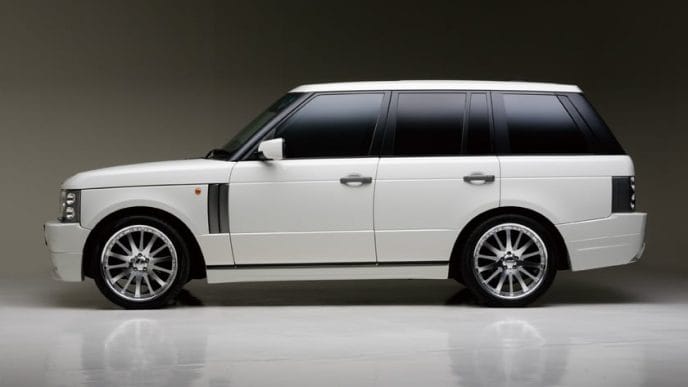
1. First-Generation Range Rover Sport L320 (2005–2013)
The L320 is now an older used SUV, so condition and maintenance history are especially important. Inspect the following areas carefully.
Air Suspension Problems
On models that have air suspension, the air springs, compressors, height sensors and valve blocks can. Develop leaks.If an air spring leaks, one corner of the vehicle might drop while the vehicle is parked.The compressor may then run often as compressor tries to keep the ride height.
Warning signs include uneven ride height, suspension messages, slow height adjustments and unusual compressor noise. A specialist should check the air springs, lines, compressor and sensors before parts are replaced. Read our guide to Range Rover air suspension problems for further diagnostic information.
Engine and Cooling System Concerns
Engine-related risks depend on the fitted powertrain. Certain older 2.7-litre and 3.0-litre TDV6 diesel engines have documented internal engine concerns, while some 5.0-litre petrol V8 models have experienced timing-chain tensioner and guide wear.
Investigate cold-start rattling, knocking, excessive vibration, oil-pressure warnings or unexplained oil loss. The cooling system also deserves attention. Leaking pipes, hoses, connections or pumps can cause coolant loss and overheating. A pressure test can help locate a leak.
Do not assume every vehicle has these faults. Confirm the engine code and service history, and arrange a specialist inspection. For additional buying considerations, see this guide to Range Rover Sport model years to avoid.
Parking Brake and Drivetrain
There may be potential problems with the electronic parking brake due to aging parts. Make sure that the parking brake works properly and that there is no indication in the message center. When performing the road test, check for any vibration and clunking noises from the driveline.
Some common Range Rover Sport common problems in the L320 generation involve air suspension, engine performance and cooling.
2. Second-Generation Range Rover Sport L494 (2013–2022)
The L494 brought updated technology, a lighter platform and a wider engine range. Its inspection priorities depend heavily on the engine fitted.
Diesel Engine Concerns
Some models of the 3.0 litre TDV6 and SDV6 diesel engine have experienced issues with crankshafts and bearings failure. Some of the symptoms might include engine knocking, metallic sounds, vibrations, and oil pressure readings. Severe damage will result in a lot of expenses.
All 3.0-litre diesels are not the same; the latest Ingenium six-cylinder inline engine is not related to those earlier V6 diesels. Double check your engine model, and make sure you get an expert opinion on the service history and engine condition, especially cold start.
Cooling System Leaks
Coolant leakage is caused by leakages in the pipes, hoses, connections, and other parts of the cooling system. There are certain engine applications that have particular service information regarding coolant alerts and pipe sealing.
Keep an eye out for frequent coolant level alerts, presence of any residue in the connections, or unexplained reduction in coolant level. The garage will test the pressure of the system and examine the corresponding parts.
For further background on reported faults, consult this specialist’s guide to Range Rover Sport common problems.
Suspension, Transmission and Electronics
Air springs, compressors and height sensors can develop faults on equipped models. Uneven ride height or suspension warnings should be investigated. Also inspect bushes, control arms and other suspension parts for wear.
Transmission symptoms may include delayed engagement, harsh shifts, shuddering or unusual noises. These can have different causes, so a road test and diagnostic assessment are important. Review the transmission service history and read our guide to Range Rover gearbox problems.
The L494 also has touchscreen controls, cameras, parking sensors and other electronic equipment. Test these features and investigate warning messages or intermittent faults with suitable diagnostic equipment.
Range Rover Sport common problems in the L494 generation can include diesel engine concerns, cooling system faults and electronic issues.
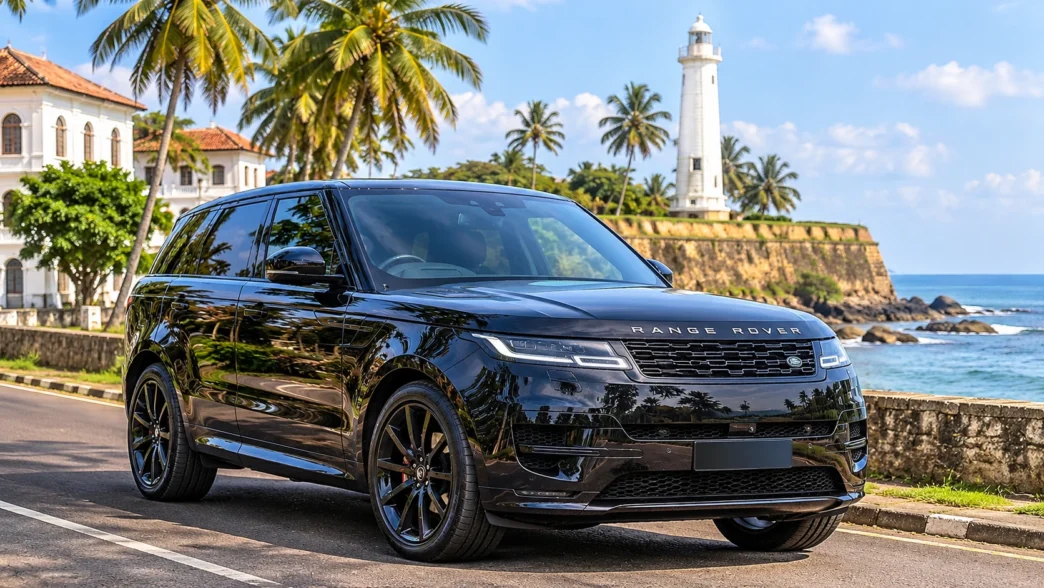
3. Third-Generation Range Rover Sport L461 (2022 onwards)
The L461 includes more advanced infotainment, driver-assistance technology and, in selected versions, mild-hybrid or plug-in hybrid powertrains. As this generation is newer, long-term reliability evidence is more limited than for earlier models.
Software and Electrical Issues
Malfunctions within the software or electronics can result in touchscreen problems, navigation issues, connectivity errors, camera malfunction or malfunction in driving aids. An appearance of a warning light does not necessarily indicate failure of a sensor, since other possible reasons include calibration, wiring, software or electrical power.
Make sure that the screen and the functions of the vehicle work properly. Ask whether any necessary software updates have been done.
Hybrid and Cooling-System Checks
For plug-in hybrid vehicles, the charging function, charging connections, hybrid system warnings, and petrol engine should be examined. Short driving tests will not reveal the true state of the high-voltage battery in the long run, so a specialist test should be requested.
Coolant system warnings have to be properly investigated as well. Coolant levels and connections have to be checked, and the diagnostic process should be performed by an expert with respect to your engine and VIN number. Don’t change any parts after receiving a warning message.
For another model-year comparison, see this Range Rover Sport problems by model year guide.
4. What Sri Lankan Buyers Should Check
An independent inspection should be arranged before purchasing a used Range Rover Sport instead of solely relying on its appearance or mileage.
- Confirm the engine and generation: Use the Vehicle Identification Number (VIN) and other documents to ensure correct specification.
- Review service records: Investigate routine service history, any significant repair work, and any evidence of past engine or transmission work.
- Inspect suspension: Pay attention to uneven ride height, any leakage, damaged bushes, and unusual sounds.
- Check the cooling system: Look for any coolant residue, unexplained coolant loss, and any indications of overheating.
- Road-test the transmission: Watch out for any gear changes while driving.
- Test electrical equipment: Test infotainment screen, cameras, sensors, climate control, and other systems.
- Request a diagnostic scan:Conduct a diagnostic using Land Rover-compatible tools on relevant control modules.
- Check vehicle history and service actions: Consider import documents, history of repairs, and pending manufacturer actions for the vehicle in question.
Sri Lanka’s hot weather and different road conditions make inspections of the cooling system, suspension, and underbody worthwhile. Still, the actual condition and history of maintenance of the vehicle itself take precedence over general assumptions.
5. How to Reduce the Risk of Expensive Repairs
Follow the service schedule for the right engine and year of manufacture. Use the correct oils and act on any messages that the vehicle gives you. Test the battery and charging system and anything else that sounds, looks, or performs differently from normal.
Take the vehicle to a workshop that understands Land Rover technology. This is very important because some symptoms may be caused by different issues and just replacing parts will cost you unnecessarily.
Conclusion
Range Rover Sport issues vary between L320, L494, and L461 generations. Old L320s require careful inspection due to wear associated with the age of the car. The L494 needs to be checked by engine type because there is a special attention required for chosen old diesel engines, as well as cooling system problems. New L461 demands to be checked for software, electronics, and hybrid components.
For Sri Lanka’s consumers, it is necessary to clarify the engine type, check the history of services, and organize a special inspection.
Understanding Range Rover Sport common problems by generation helps Sri Lankan buyers make better purchasing decisions.
Frequently Asked Questions (FAQ)
Which Range Rover Sport generation should I inspect most carefully?
All used vehicles need an individual inspection. Older L320 models may have more age-related wear, while later generations have different engine and electronic systems to assess.
What are common Range Rover Sport problem areas?
Inspection areas include air suspension, engine condition, cooling systems, transmission behaviour and electronic equipment. The relevant risks vary by generation and engine.
Are older Range Rover Sport diesel engines reliable?
Reliability depends on the exact engine and its maintenance history. Certain older 3.0-litre TDV6 and SDV6 engines have documented crankshaft and bearing concerns. Seek specialist advice before purchasing.
What should I check before buying one in Sri Lanka?
Verify the VIN and engine, review service records, inspect the suspension and cooling system, test the transmission and electronics, and request a diagnostic scan.
What should I check before buying a used Range Rover Sport in Sri Lanka?
Check the vehicle’s service history, engine condition, gearbox, air suspension, electrical systems and diagnostic reports. Also, inspect for accident damage, overheating and signs of poor maintenance. A pre-purchase inspection by a qualified Land Rover specialist can help identify hidden problems.